Mice Control in Sacramento, CA
Professional mice removal, trapping, and exclusion services for Sacramento homes and businesses. Locally owned, 10+ years of experience, and a proven approach to long-term mice control.
Professional Mouse Removal Sacramento
Professional mouse removal is more than simply placing traps around a property. Mice reproduce rapidly and often remain hidden behind walls, inside insulation, beneath appliances, or in attic spaces where homeowners rarely see them.
Effective mouse control requires identifying nesting locations, travel routes, food sources, and structural openings allowing rodents inside. Our Sacramento mouse control services are tailored to the specific conditions found on your property.
- ✓ Property inspection
- ✓ Entry point identification
- ✓ Interior and exterior trapping
- ✓ Rodent exclusion and sealing
- ✓ Attic and crawl space inspections
- ✓ Rodent sanitation and cleanup
- ✓ Preventative recommendations
- ✓ Follow-up monitoring
Signs of Mice in Your Sacramento Home
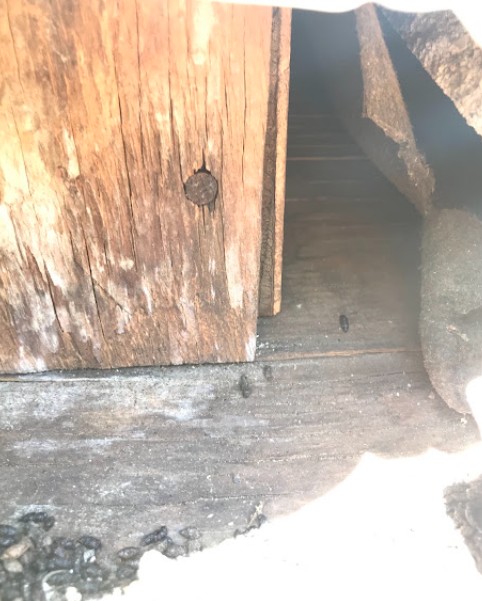
Many Sacramento homeowners do not realize they have a mouse problem until the infestation becomes severe. Mice are nocturnal and often stay hidden during the day — making early detection difficult without knowing what to look for.
- ✓ Scratching noises in walls or ceilings
- ✓ Droppings near food storage areas
- ✓ Chewed food packaging
- ✓ Gnaw marks on wires or wood
- ✓ Musty rodent odors
- ✓ Shredded paper or insulation nesting
- ✓ Grease marks along baseboards
- ✓ Mouse sightings at night
- ✓ Pet agitation near walls or cabinets
Why Mice Are Hard to Find
Mice are nocturnal, fast-moving, and skilled at hiding in tight spaces. They can squeeze through gaps as small as a dime, making standard visual inspections often insufficient without professional knowledge of mouse behavior and nesting patterns.
Where Mice Hide in Sacramento Homes
- Behind kitchen appliances
- Inside attic insulation
- Below crawl spaces
- Inside wall voids
- Around HVAC ductwork
- In garage storage areas
What Attracts Mice
Mice enter Sacramento homes searching for three main things: food, water, and shelter. Even small openings around the structure can provide easy access.
Pet Food Left Overnight
Bird Seed Storage
Unsealed Pantry Foods
Garbage Buildup
Water Leaks
Dense Vegetation
Cluttered Garages
Crawl Space Openings
Attic Warmth in Winter
Outdoor Fruit Trees
Types of Mice Found in Sacramento Homes
Several rodent species are commonly found in Sacramento residential properties. Correctly identifying the rodent species helps determine the best mouse control strategy.
House Mice
House mice are the most common indoor rodent infestation. They are small, fast breeders, and capable of fitting through openings as small as a dime.
- Most frequent indoor species
- Reproduce rapidly — up to 8 litters per year
- Found in kitchens, walls, and attics
- Active year-round in Sacramento
Deer Mice
Deer mice are more common near rural and semi-rural areas around Sacramento County. They may carry harmful diseases and are often found in garages, sheds, and storage areas.
- Common near open fields and rural edges
- Known disease risk — handle carefully
- Often found in garages and sheds
- Distinctive two-tone coloring
Field Mice
Field mice may invade homes during colder weather or periods of drought when outdoor food becomes limited — pushing them toward residential structures.
- Seasonal invasion risk in Sacramento
- Enter during drought and cold snaps
- Commonly found near agricultural borders
- Nest in cluttered or undisturbed areas
How to Get Rid of Mice in Sacramento
Removing mice requires a combination of trapping, exclusion, sanitation, and prevention. Simply removing visible mice often fails to stop the infestation completely because nesting areas remain active and entry points stay open.
Trapping
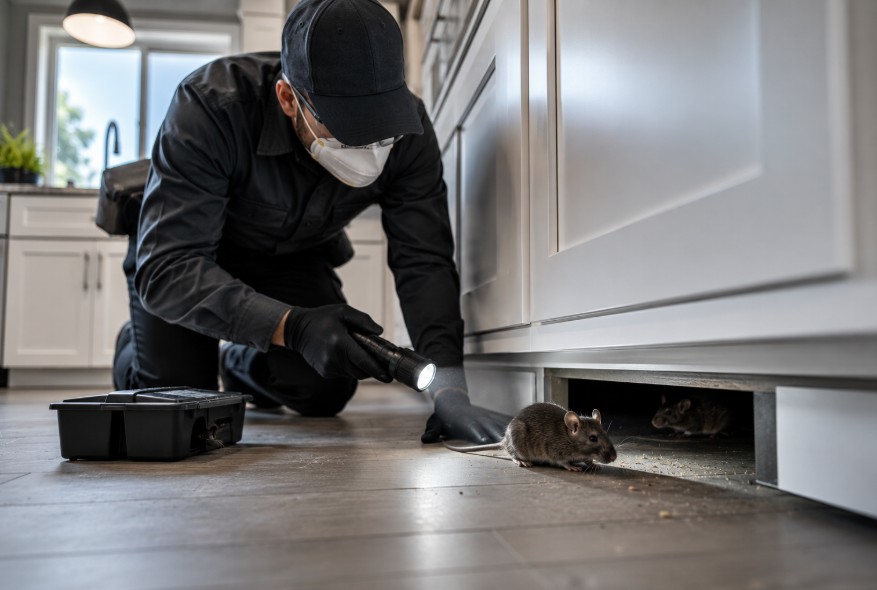
Professional trapping targets active rodent travel paths and nesting zones. Strategic trap placement inside attics, garages, wall voids, kitchens, and crawl spaces improves effectiveness while reducing risks to children and pets.
Professional Mouse Control
Professional mouse control focuses on long-term elimination rather than temporary relief. Sacramento rodent specialists identify how mice entered the home, where they are nesting, and what conditions are supporting the infestation.
- Detailed inspections
- Rodent exclusion
- Safe trapping systems
- Rodent-proof sealing
- Attic inspections
- Sanitation recommendations
- Follow-up monitoring
Our Mouse Control Process for Sacramento Homes
Every mouse infestation is different, but most professional mouse control services follow a proven step-by-step process designed for long-term protection.
Full Property Inspection
The process begins with a detailed inspection to identify all signs of mouse activity and structural vulnerabilities throughout the property.
- Mouse activity and droppings
- Nesting areas
- Entry points
- Structural vulnerabilities
- Food and water sources
- Attics, crawl spaces & vents
Identification of Entry Points
Mice can squeeze through openings as small as a dime. Sealing these openings is critical to preventing recurring infestations.
- Garage door gaps
- Roof returns
- Plumbing penetrations
- HVAC openings
- Foundation cracks
- Utility line gaps
- Attic vents
Strategic Trapping
Professional-grade traps are placed in high-activity locations based on rodent behavior patterns. Proper trap placement significantly improves removal success rates compared to DIY approaches.
Rodent Exclusion
Exclusion involves sealing accessible openings using rodent-resistant materials to block future access into the home — the most critical step for preventing re-infestation.
Monitoring and Follow-Up
Follow-up visits may be recommended to ensure rodent activity has stopped and no new entry points have developed — particularly important for older Sacramento homes.
Ready to Get Started?
Contact our Sacramento team for a professional rodent inspection and customized treatment plan. We serve homes throughout Sacramento County.
Get a Quote
Get Rid of Mice in Walls
Mice frequently travel through wall voids where they remain hidden while damaging insulation and wiring. Scratching sounds inside walls are often strongest at night.
- Locating nesting areas
- Strategic trap placement
- Entry point sealing
- Removing food access
- Monitoring activity levels
Get Rid of Mice in Attic
Attics provide warmth, insulation, and protection — making them ideal nesting areas for mice in Sacramento homes. Attic mouse control often includes trapping, exclusion work, and contaminated insulation assessment.
- Noises above ceilings
- Contaminated insulation
- Droppings near HVAC systems
- Chewed wiring
- Strong odors
Get Rid of Mice in Garage
Garages commonly attract mice because they provide shelter, clutter, stored food, and easy access points. Garage rodent control focuses on sealing gaps, removing attractants, and eliminating active nests.
Cleaning and Sanitization
After mice are removed, sanitation becomes extremely important. Rodent droppings and urine can contaminate surfaces and create health risks if not properly addressed.
- Dropping removal
- Nest removal
- Surface sanitation
- Odor reduction
- Contaminated insulation assessment
- Disinfection of affected areas
How to Keep Mice Out of Your Home
Long-term mouse prevention requires reducing the conditions that attract rodents. Combined with professional exclusion work, these steps help protect Sacramento homes year-round.
- Seal exterior openings
- Store food in airtight containers
- Remove clutter
- Trim vegetation near the house
- Repair leaks
- Keep garages organized
- Store pet food properly
- Install door sweeps
- Schedule regular rodent inspections
- Clear outdoor fruit from ground
Are Mice Dangerous?
Yes — mice can create serious health and property risks when infestations are left untreated. Even small infestations may quickly expand due to rapid breeding cycles.
Mice contaminate surfaces, spread bacteria, damage structures, and create unsafe conditions inside homes.
Are Mouse Traps or Bait Effective?
Mouse traps and bait may help reduce activity, but often fail to fully solve infestations when used alone. Improper bait use may also create problems if mice die inside walls or inaccessible areas.
Professional mouse control focuses on:
- Identifying nesting areas
- Eliminating entry points
- Targeted trapping
- Long-term prevention
- Full infestation management
Health Risks From Mice
Mice may carry bacteria and pathogens that can contaminate homes through droppings and urine — often in areas that are difficult to see or clean without professional help.
- Food contamination
- Allergens
- Airborne particles from droppings
- Bacteria spread on surfaces
Rodent infestations may be especially concerning for children, seniors, and individuals with respiratory sensitivities.
Structural Risks From Mice
Mice constantly gnaw to keep their teeth from overgrowing. This behavior can damage important structural materials throughout the home over time.
- Chewed electrical wiring
- Damaged insulation
- HVAC contamination
- Wood damage
- Stored item destruction
- Fire hazards from exposed wiring
Why Professional Mouse Control Is Important
Professional mouse control helps address the root cause of infestations instead of only treating visible symptoms. Sacramento homes often contain hidden access points that allow mice to repeatedly return unless properly sealed.
Whether mice are inside walls, attics, garages, or crawl spaces, early professional treatment can help prevent larger infestations and costly property damage.
- ✓ Accurate infestation assessment
- ✓ Safe removal methods
- ✓ Long-term prevention
- ✓ Rodent exclusion
- ✓ Sanitation guidance
- ✓ Reduced reinfestation risk
How to Keep Mice Out of Your Home
Long-term mouse prevention requires reducing the conditions that attract rodents. Combined with professional exclusion work, these steps help protect Sacramento homes year-round.
- Seal exterior openings
- Store food in airtight containers
- Remove clutter
- Trim vegetation near the house
- Repair leaks
- Keep garages organized
- Store pet food properly
- Install door sweeps
- Schedule regular rodent inspections
- Clear outdoor fruit from ground
Are Mice Dangerous?
Yes — mice can create serious health and property risks when infestations are left untreated. Even small infestations may quickly expand due to rapid breeding cycles.
Mice contaminate surfaces, spread bacteria, damage structures, and create unsafe conditions inside homes.
Are Mouse Traps or Bait Effective?
Mouse traps and bait may help reduce activity, but often fail to fully solve infestations when used alone. Improper bait use may also create problems if mice die inside walls or inaccessible areas.
Professional mouse control focuses on:
- Identifying nesting areas
- Eliminating entry points
- Targeted trapping
- Long-term prevention
- Full infestation management
Health Risks From Mice
Mice may carry bacteria and pathogens that can contaminate homes through droppings and urine — often in areas that are difficult to see or clean without professional help.
- Food contamination
- Allergens
- Airborne particles from droppings
- Bacteria spread on surfaces
Rodent infestations may be especially concerning for children, seniors, and individuals with respiratory sensitivities.
Structural Risks From Mice
Mice constantly gnaw to keep their teeth from overgrowing. This behavior can damage important structural materials throughout the home over time.
- Chewed electrical wiring
- Damaged insulation
- HVAC contamination
- Wood damage
- Stored item destruction
- Fire hazards from exposed wiring
Why Professional Mouse Control Is Important
Professional mouse control helps address the root cause of infestations instead of only treating visible symptoms. Sacramento homes often contain hidden access points that allow mice to repeatedly return unless properly sealed.
Whether mice are inside walls, attics, garages, or crawl spaces, early professional treatment can help prevent larger infestations and costly property damage.
- ✓ Accurate infestation assessment
- ✓ Safe removal methods
- ✓ Long-term prevention
- ✓ Rodent exclusion
- ✓ Sanitation guidance
- ✓ Reduced reinfestation risk
Mouse Control Cost in Sacramento
The cost of mouse control in Sacramento depends on the size of the infestation, the condition of the property, and whether exclusion or cleanup services are needed. Homes with mice inside walls, attics, crawl spaces, or multiple nesting areas may require more extensive treatment.
| Service | Average Price Range |
|---|---|
| Mouse Inspection | $75 – $200 |
| Basic Mouse Control Service | $150 – $450 |
| Mouse Trapping Service | $200 – $600 |
| Attic Mouse Removal | $400 – $1,500 |
| Rodent Exclusion & Sealing | $300 – $2,500+ |
| Rodent Cleanup & Sanitization | $250 – $2,000 |
| Full Home Mouse Removal Program | $500 – $3,500+ |
Factors That Affect Pricing
- Severity of infestation
- Number of entry points
- Home size
- Attic or crawl space access
- Contaminated insulation
- Required sanitation work
- Follow-up service needs
- Structural repairs or exclusion work
Many Sacramento homeowners benefit from combining trapping, exclusion, and sanitation into a complete rodent control plan for long-term protection.
Get QuoteFrequently Asked Questions
How much does mouse control cost in Sacramento?
Most Sacramento mouse control services range from a few hundred dollars for minor infestations to several thousand dollars for severe attic infestations with cleanup and exclusion work.
What are the signs of mice in a house?
Common signs include scratching noises, droppings, chewed food packaging, gnaw marks, rodent odors, nests, and seeing mice at night. Many homeowners first notice mice in attics, garages, kitchens, or inside walls.
Are mice common in Sacramento homes?
Yes. Mice are common throughout Sacramento, especially in older homes, neighborhoods near open land, and areas with abundant food and shelter sources. Seasonal weather changes often increase indoor rodent activity.
Can mice live inside walls?
Yes. Mice frequently nest and travel inside wall voids where they remain hidden while damaging insulation and wiring. Scratching or movement sounds at night are common signs of mice inside walls.
Are mice dangerous to humans?
Mice can contaminate surfaces and food with droppings and urine. They may also spread bacteria and trigger allergies or respiratory issues in some individuals.
Do mice damage electrical wiring?
Yes. Mice constantly gnaw on materials, including electrical wires. Damaged wiring can create fire hazards and expensive repair costs.
How do mice get into homes?
Mice can enter through extremely small openings around garages, vents, plumbing lines, roofs, foundations, doors, and utility penetrations. Professional rodent exclusion helps seal these access points.
Will mouse traps solve the infestation?
Traps may reduce activity temporarily, but they often fail to eliminate the entire infestation if nesting areas and entry points remain untreated. Professional mouse control addresses the source of the problem.
What attracts mice to Sacramento homes?
Food, water, warmth, clutter, pet food, garbage, leaks, and easy shelter opportunities commonly attract mice into homes throughout Sacramento.
How fast do mice reproduce?
Mice reproduce very quickly. A small infestation can grow rapidly within a few months if left untreated.
Do you remove mice from attics?
Yes. Attic mouse removal services typically include inspection, trapping, exclusion, contamination assessment, and recommendations for insulation cleanup if necessary.
How long does professional mouse control take?
Minor infestations may improve within days, while larger infestations may require multiple visits, follow-up monitoring, exclusion work, and sanitation services.
What is rodent exclusion?
Rodent exclusion involves sealing gaps, holes, vents, and structural openings that mice use to enter the home. Exclusion is one of the most important long-term prevention methods.
Can mice come back after treatment?
Yes, if entry points remain open or attractants are not addressed. Combining trapping with exclusion and prevention greatly reduces reinfestation risks.
Is professional mouse control worth it?
Professional mouse control helps eliminate hidden infestations, reduce property damage risks, improve sanitation, and prevent recurring rodent problems that DIY methods often fail to fully solve.